Why People Who Don’t Fit In Should Never Fuck Off

As I roll to a stop at a red light after a particularly long day, the bumper sticker assaults me, throwing itself into my mind with the finesse of your average line backer.

“Fit in or Fuck Off”, it shrieks, as if fitting in is some sort of gold-medal status we should all hope to achieve. All I can do is wonder what kind of ass has this emblazoned on their vehicle, and if they realize how horrible the world would be if everyone who didn’t fit in fucked off.

I suspect the bumper sticker refers to those who come to Canada from other countries. It’s become a bit of an ugly refrain, the litany about how “those people” should just “fit in” and leave their culture behind.

How quickly we forget.

Other than the indigenous peoples, who have been here for considerably longer than the rest of us, every single one of us originated somewhere else, and we did so since the 1600’s – or in terms of time and history, not all that long ago. And as we came we brought with us our customs, our cultures, our beliefs, our languages – and we formed a nation.

These pieces of our past continue to be seen today. My own family history is strongly German, and I can assure you that even after decades we continue to uphold certain traditions that go right back to those roots. We didn’t fit in when we arrived, and we didn’t fuck off; we contributed to the developing culture of our country by adding our own spice to the blend. And yet here we are, generations later, trying to tell others how to fit in, and how to fuck off if they don’t.

But the whole “fit in or fuck off” refrain has far wider ramifications than some ugly xenophobia as exhibited by the driver of that truck (one driven badly, I might add, pulling a u-turn in the middle of a street, apparently oblivious to anyone but themselves).

The best part of humanity is the variety. Can you imagine the absolute tedious nature of everyone “fitting in”, being the same and expressing the same thoughts and having the same goals? It sounds like some horrible science fiction movie plot, and in fact serves as the basis for some novels that use this scenario as the background for a tale of humanity gone wrong. 

Thank god my father didn’t feel the need to fit in to the sentiments of the small farming community where my sisters were born and sent them all to university, opening the world to them as young women when his fellow farmers thought this was absurd. Thank god he showed me the joy of never conforming, allowing me to tolerate a young adulthood peppered with bullying but coming out of it Teflon-tough, impervious to peer pressure and a lifetime of just not really caring what others think of me.

Thank god I’ve had a lifetime of knowing and loving iconoclastic individuals, each and every one eccentric and different and truly unique and, for me, life altering.

Fitting in – whether it’s your culture, your race, your sexual orientation, your anything, has to be the most over-rated ideal on the planet. History remembers those who dared to be different and make a difference; history celebrates those who rose above and never feared to take an unusual path; and it rarely celebrates those who strived only to be part of the “fitting in” pack.

What a depressing world it must be to think others should conform to our definitions of fitting in. What a limiting view. 

And what a hideous attempt at bullying others into conformity and uniformity.

Please don’t fit in. And don’t you dare fuck off. The world needs your brand of unique and different and unusual, whatever it is. Be proud you don’t fit in. And be strong enough to tell those that think you should to just plain fuck off.

Be the Media You Want to See in the World

It can be very easy to become disheartened. 

The past week has been a nauseating week for media watchers, as we dive deep into terrorist attacks in France and the murder of a little girl far closer to home. Many friends despaired of seeing or finding the good news (any good news), the snippets of good that can counteract the bad. And as I interacted with them I realized a couple of things.

First, let’s not be too harsh on professional media, because media does nothing more than hold a mirror up to us and catches our reflection. It’s tough to look at it sometimes, particularly when it is an ugly image of death and pain, but the truth is that we encourage media to cover those stories with every “like”, comment and share. They are telling the stories that over time we have told them we want to see – the dark and scary ones, unfortunately. 

There are so many stories of good out there – uplifting, soul-feeding wonderful stories – but media tends to only focus on the big ones of that nature, while the small acts of kindness rarely make the news; and yet the small acts of hate and anger often do. There is an imbalance there, and it’s one we can’t look to media to address: we need to do it ourselves.

Take a look at your own social media. Now, you might not be a radio host or a journalist, but in today’s world you ARE media. Every story you share is amplifying it, giving it a broader platform and wider reach.

Now, what are you sharing? Is it mostly recipes or cat photos? Is it mostly stories about amazing people doing remarkable things? Is it about acts of kindness and generosity?

Or is it mostly dark and scary stories about the unpleasant, the unfortunate or the tragic?

We all have a role to play now. Once upon a time we exerted little control over the types of stories we saw printed and aired, but now more than ever we can have a tremendous impact on how others perceive the world – just by what we choose to share and the stories we choose to tell.

Acts of kindness don’t need to be grandiose to count as good. And they don’t need to be found in professional media alone, as many of us can find examples in our own lives, and we can quickly share them on our social media, contributing to a positive feeling about our planet.

And we can also share fewer of the dark and scary stories – not because we are ignoring them but because the continual sharing and resharing of such information amplifies it in such a way that one could easily begin to despair for the good in our world. And it’s not because the good doesn’t exist, but because we have chosen to amplify the bad instead.

The truth is that we have tremendous opportunity now to be the media we want to see in the world. If we want to see more good then we need to share our own good news stories and amplify those shared by others. We can choose to acknowledge the bad news, but we can refuse to let it dominate our hearts, our minds and our social media feeds. And once you do this, it’s remarkable how the darkness seems to lift a bit and light begins to poke through.

So the next time you are feeling disheartened, convinced there is no good to be found in this world and all is lost, take a look at your own social media and see what you’ve been sharing. And if it’s dark, then share one good story from yourself or a friend instead. Find just one small good story in the news and share it. Or share a funny video, a cat photo or a really great recipe. 

Be the media you want to see in the world – and start changing how you and others see our planet, one small story at a time. The power is right at your fingertips.

May, Moments and Memories

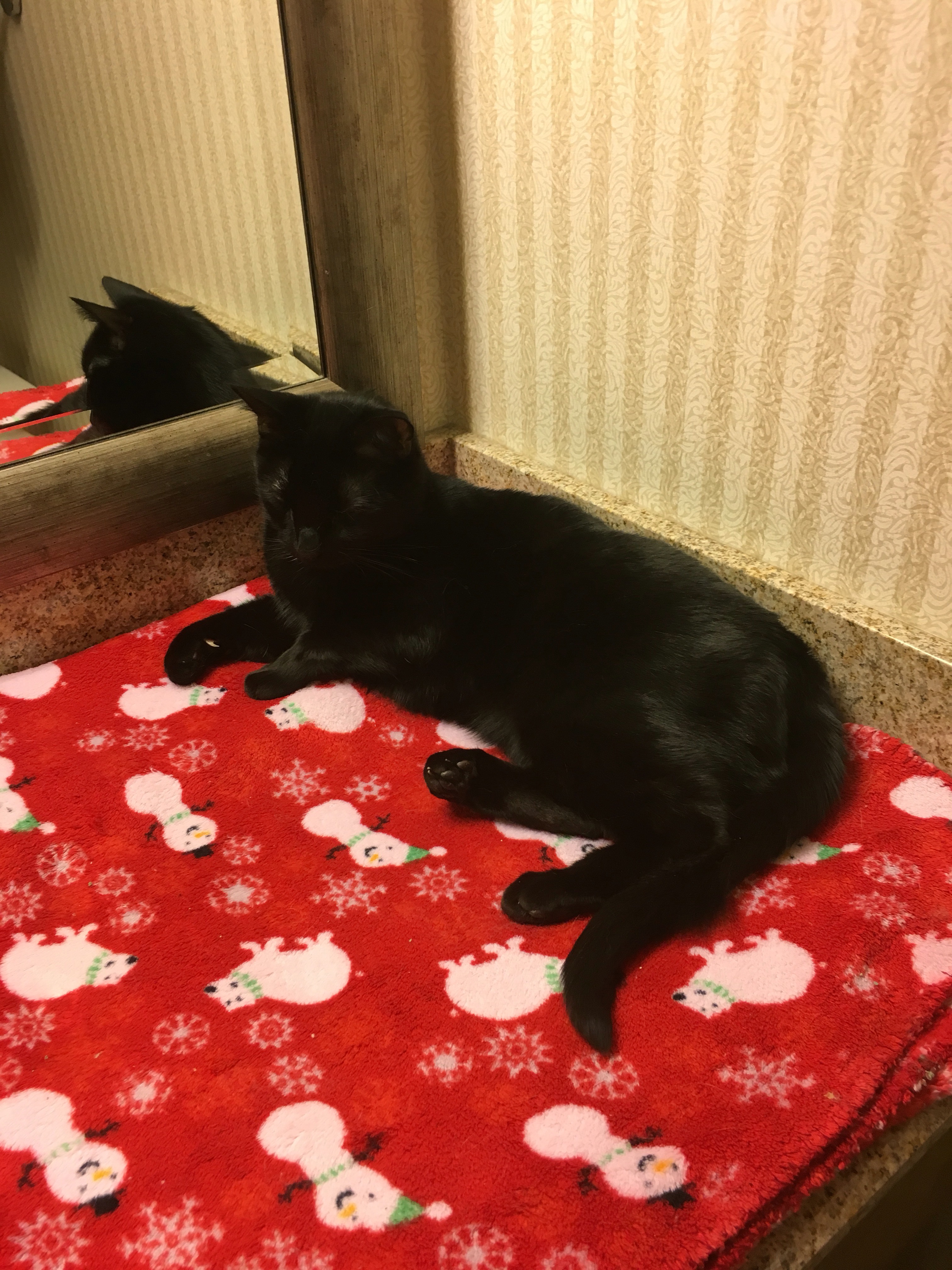
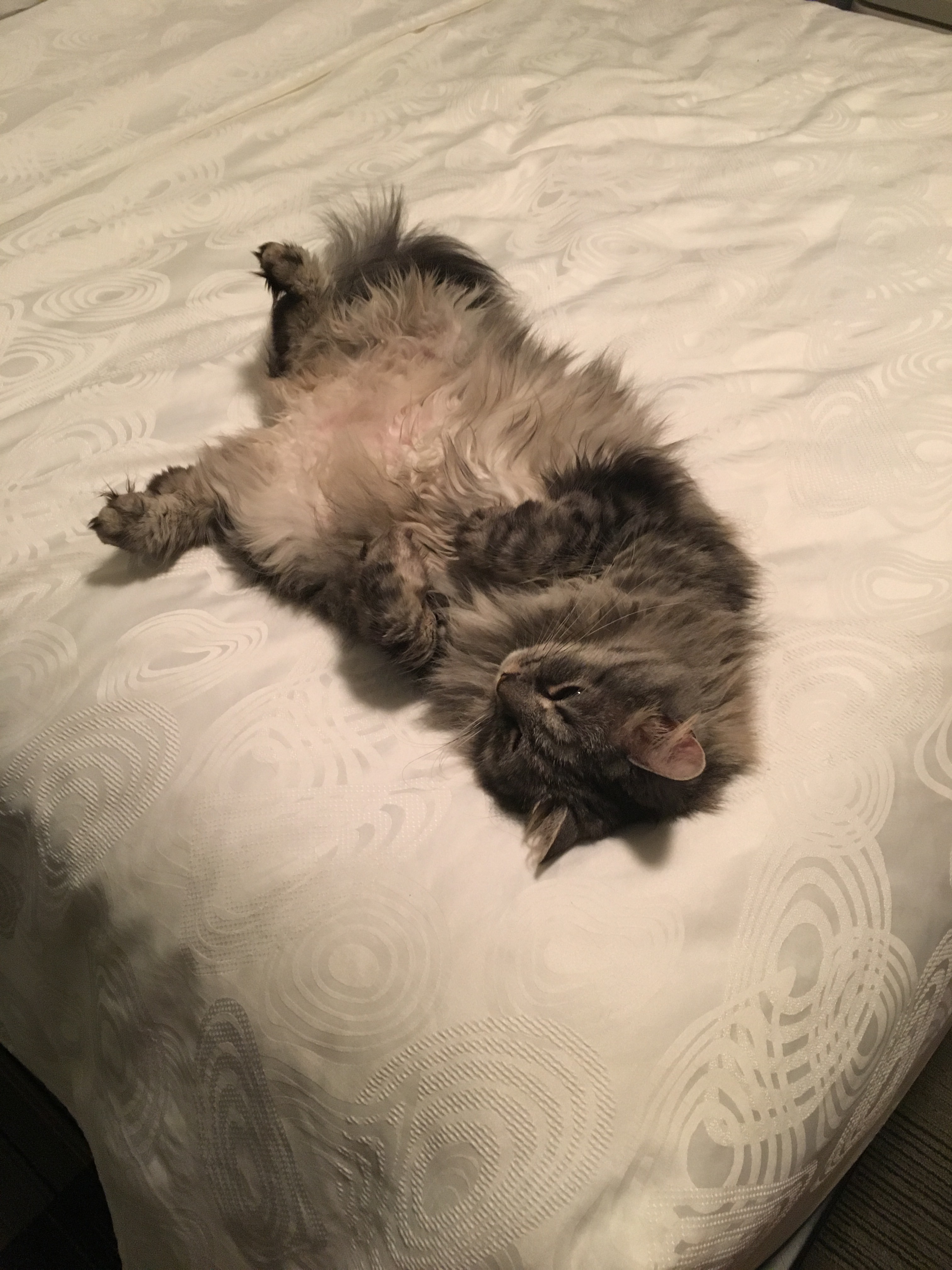
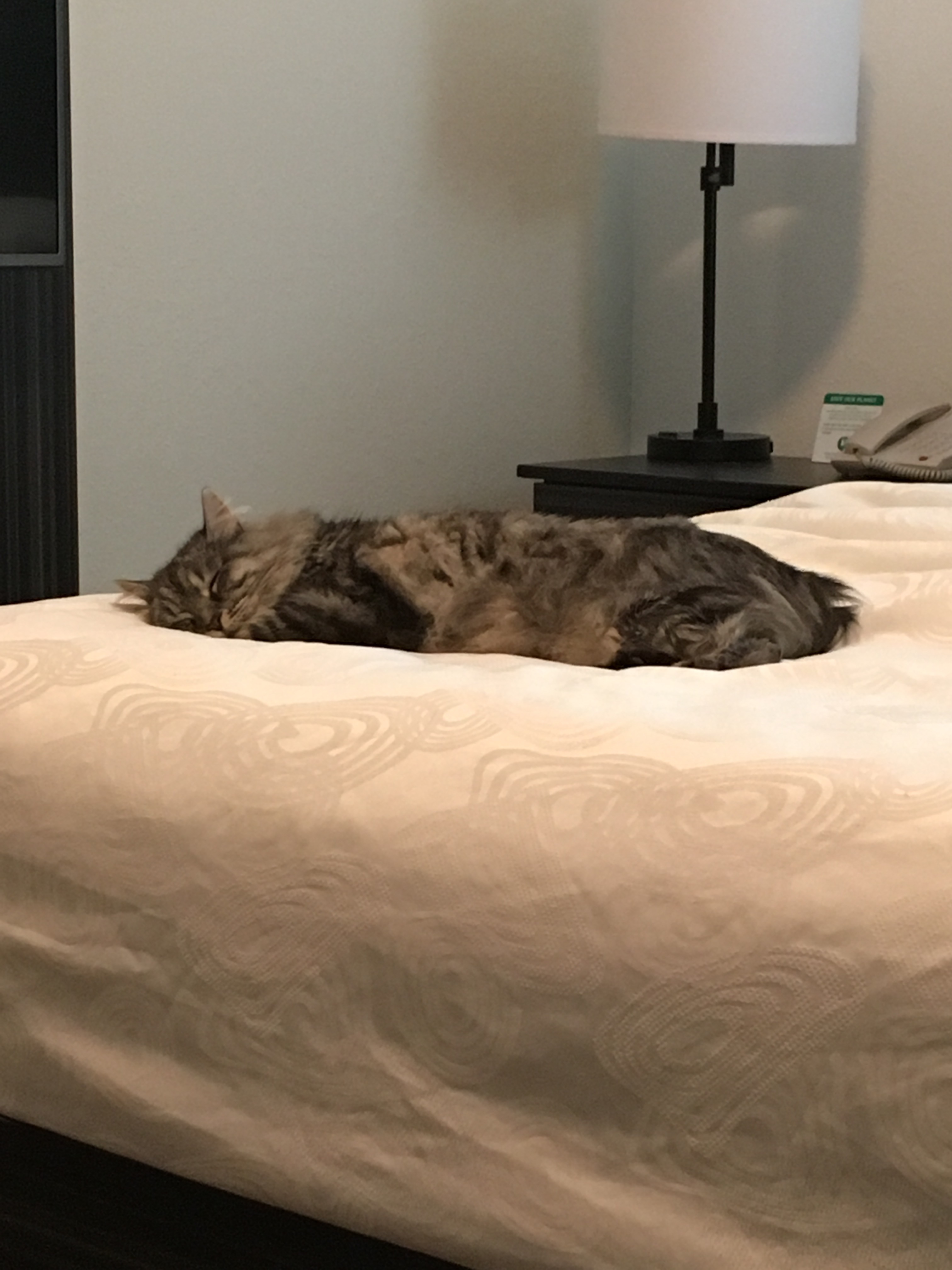
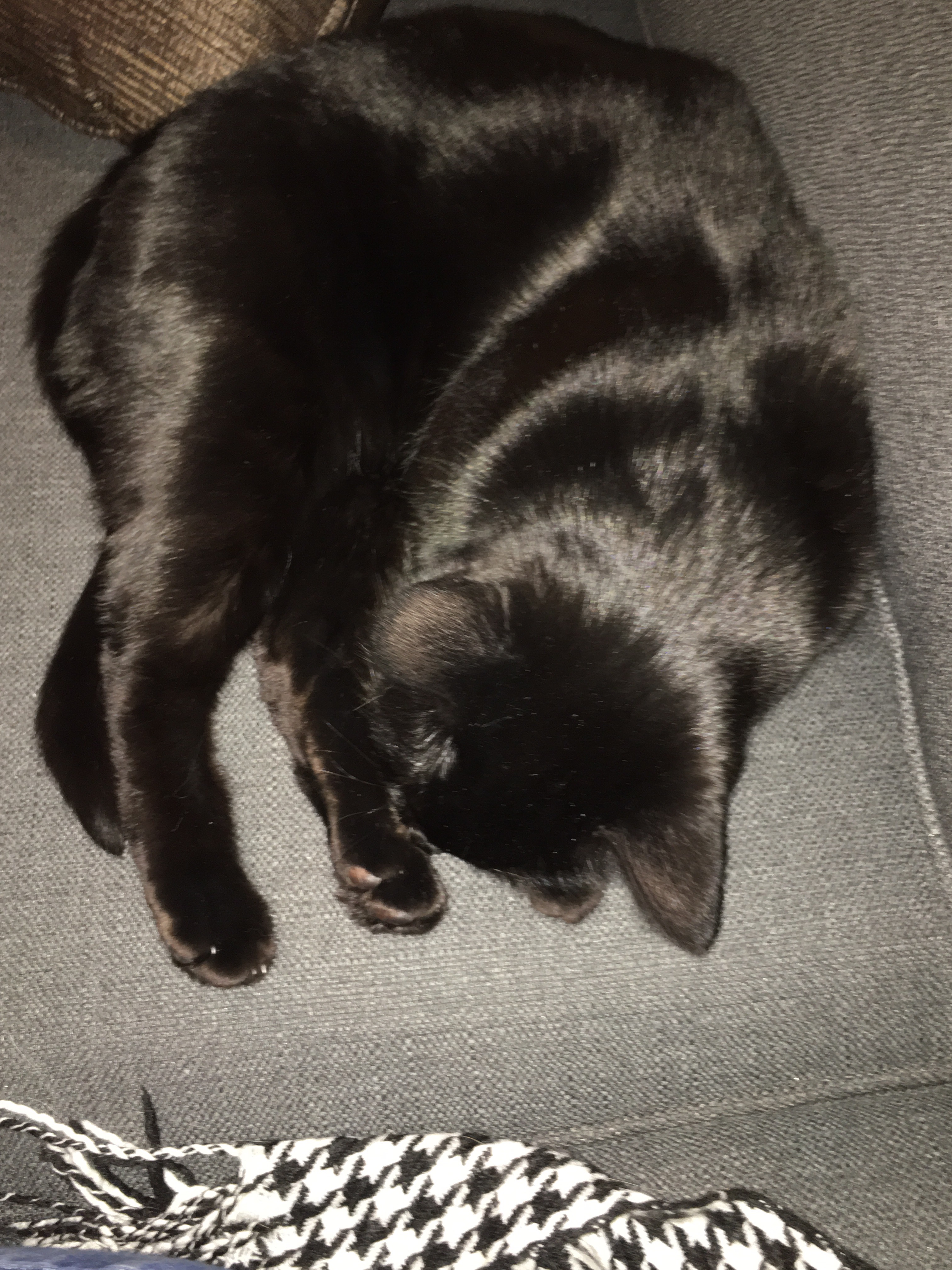
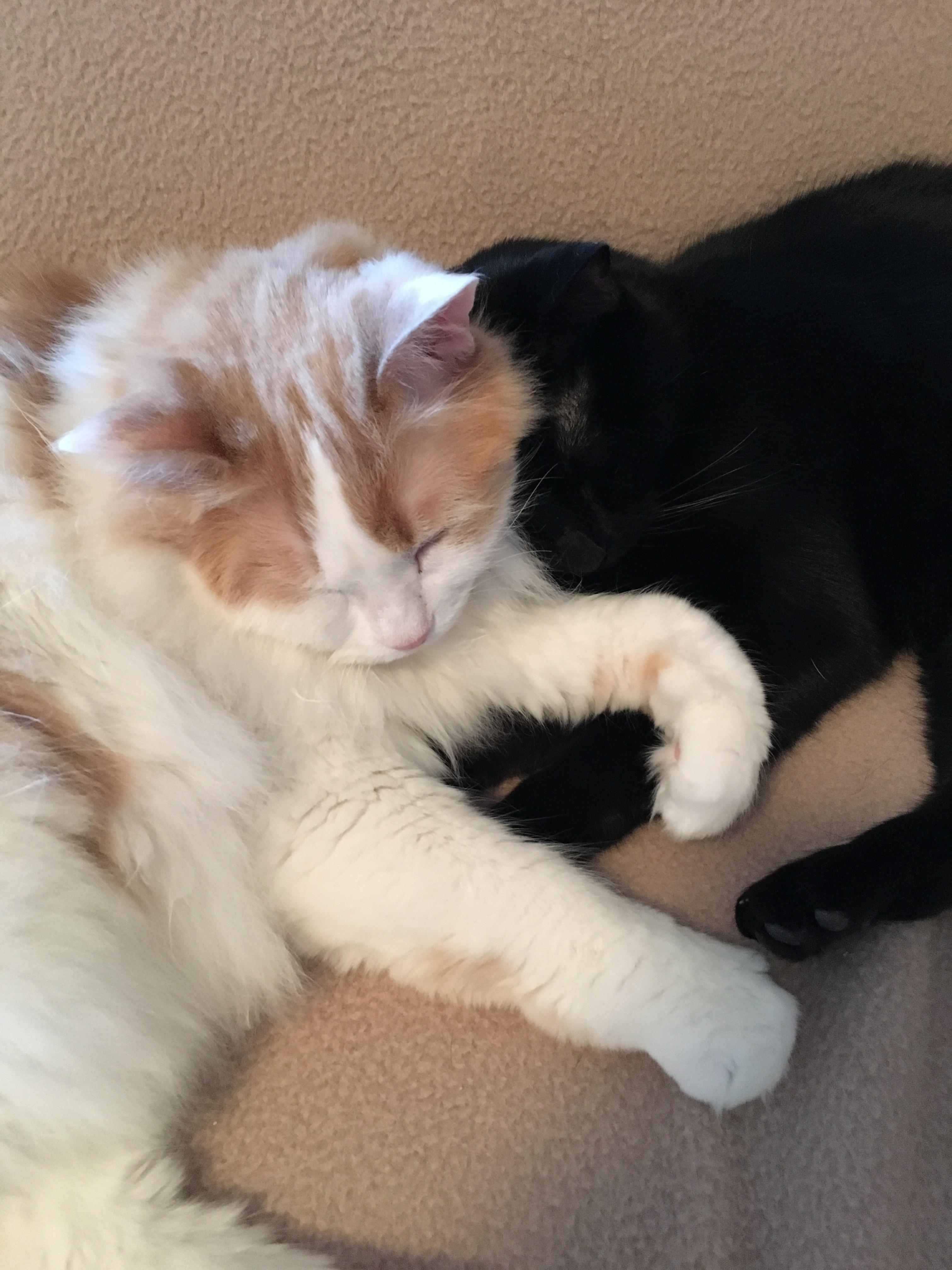
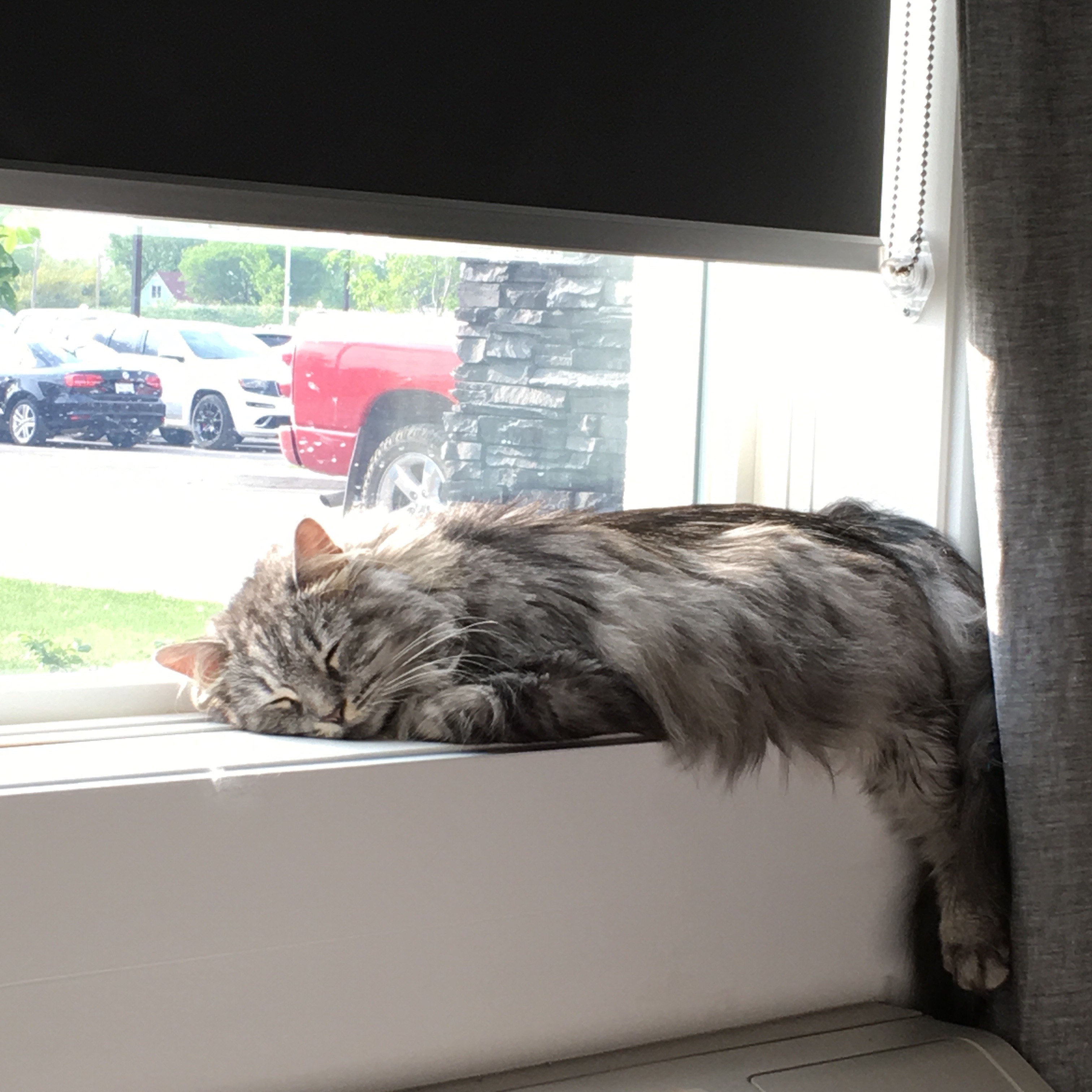
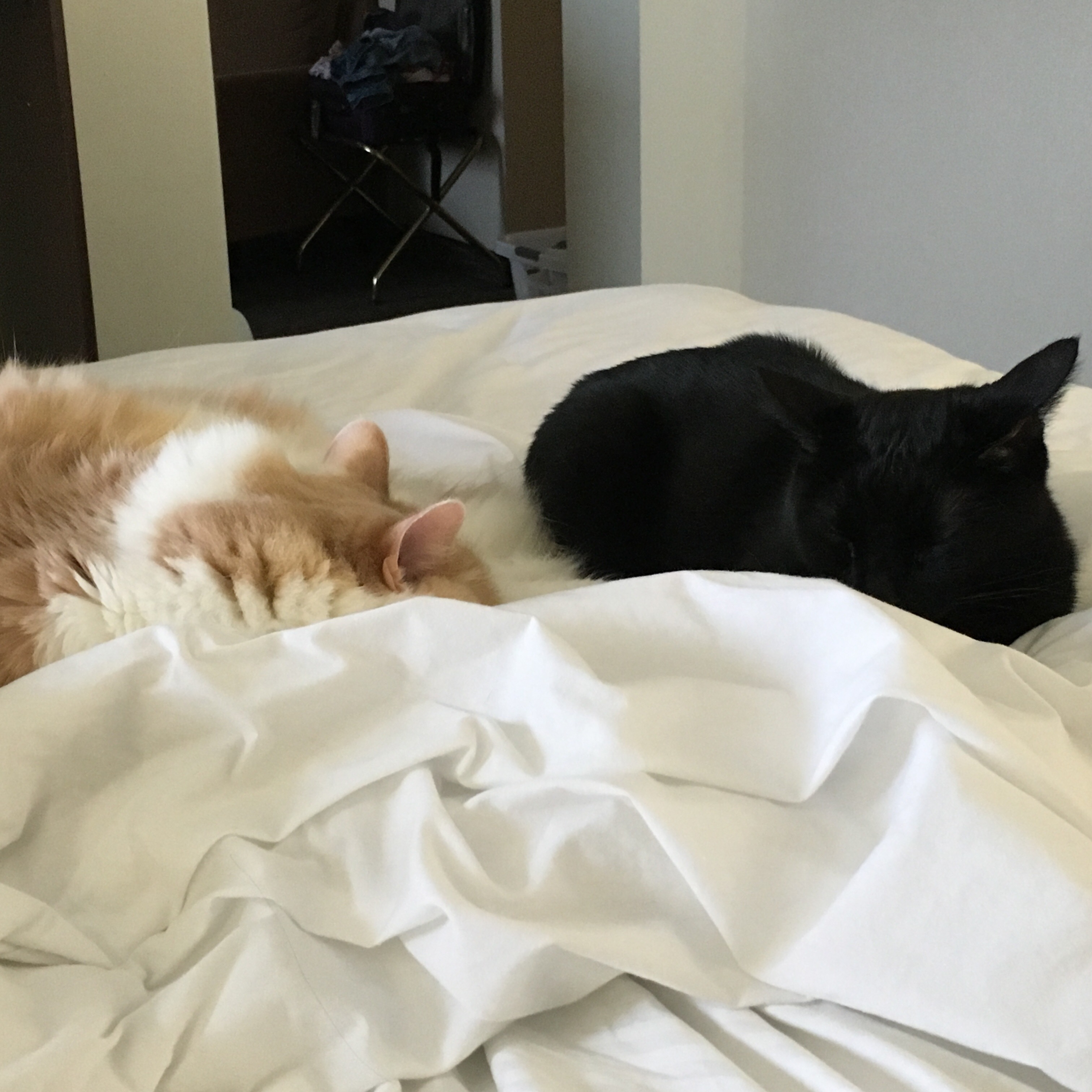
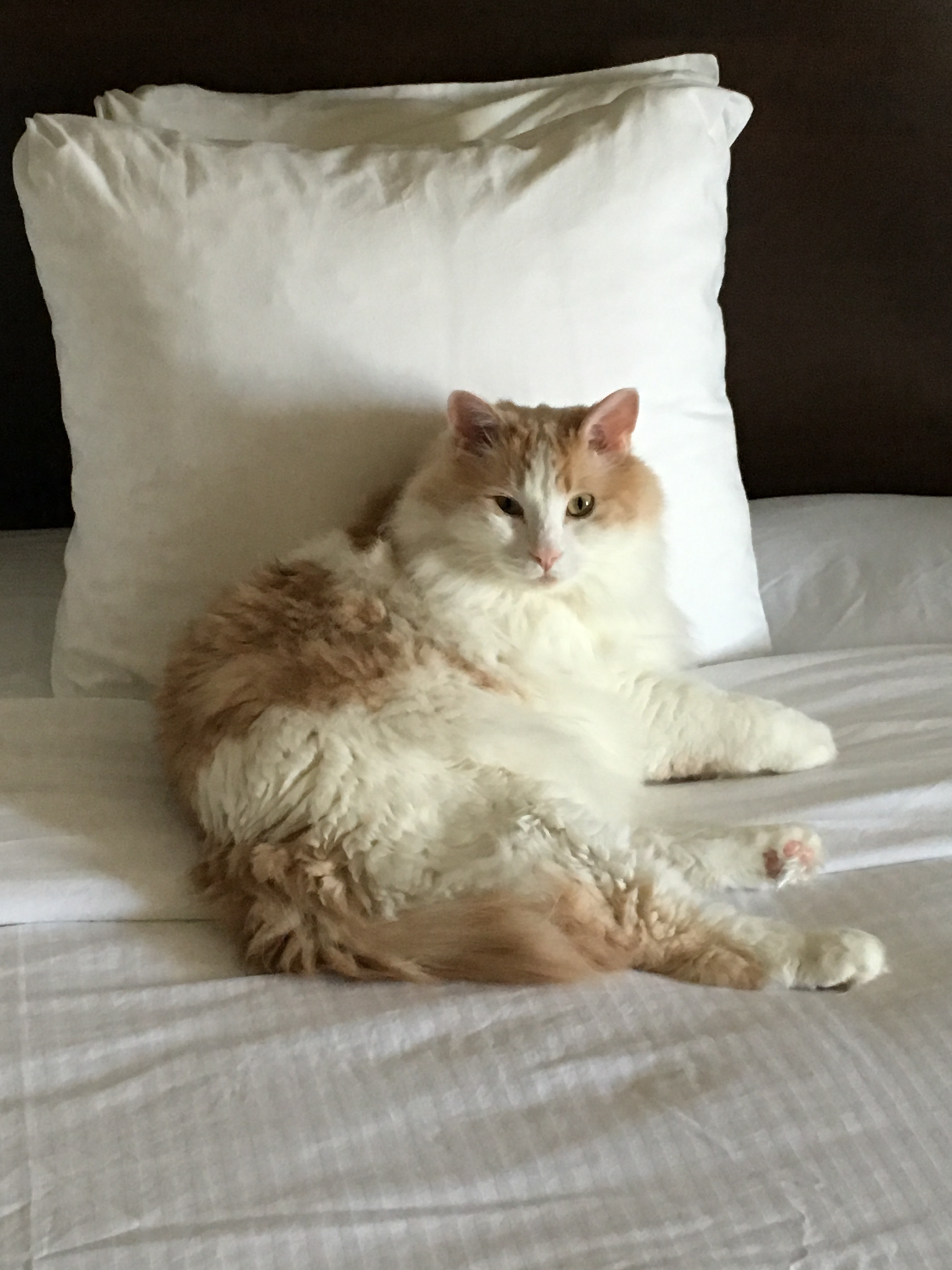
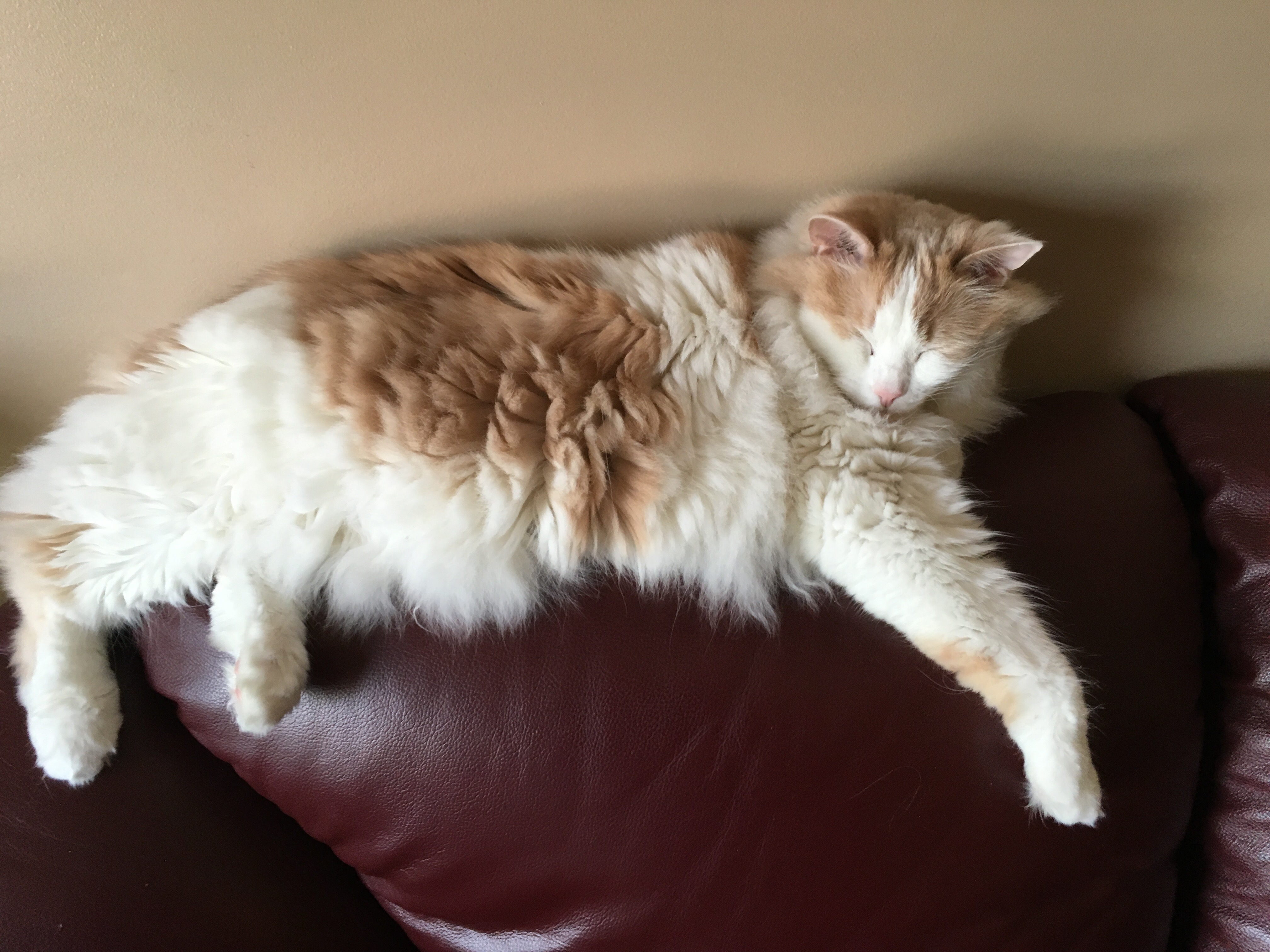
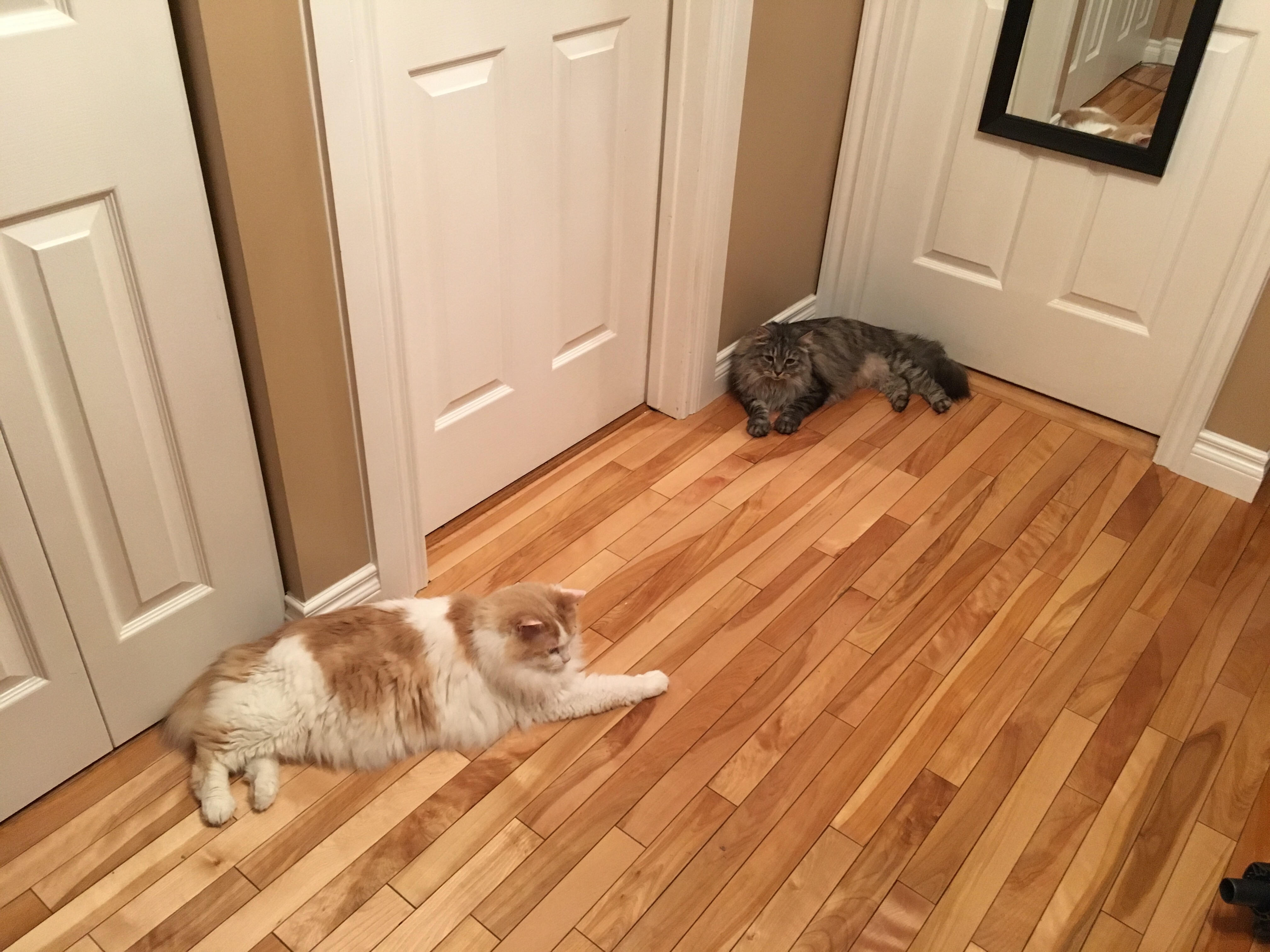
If a picture is worth a thousand words, then these photos are worth much more than my words ever could be. This is a brief glimpse into my life, beginning on May 3, 2016, when I fled Fort McMurray with only the things that fit into my car, like 3 cats, and the things that fit into my heart, which threatened at times to burst from carrying all of it.

The moment when everything changed…

The first hotel room…

The kind gifts from the hotel in Calgary, designed to sooth a weary soul (and some cats, too)…

The realization that my community was a front page story – as a natural disaster…

The moment when I realized I thoughtfully evacuated with my lunch bag…

When they began realizing hotel beds are very comfy…

When he refused to sleep anywhere but my suitcase…

When she refused to sleep anywhere but my bed…

When he just didn’t care where he slept…

When the smoke began to clear and I got the first glimpses of my neighbourhood…

When they continued to dazzle me with their cuteness, despite the close confines of one hotel room and three cats…

When I realized they had all taken over the bed entirely…

When I knew things were going to be okay…

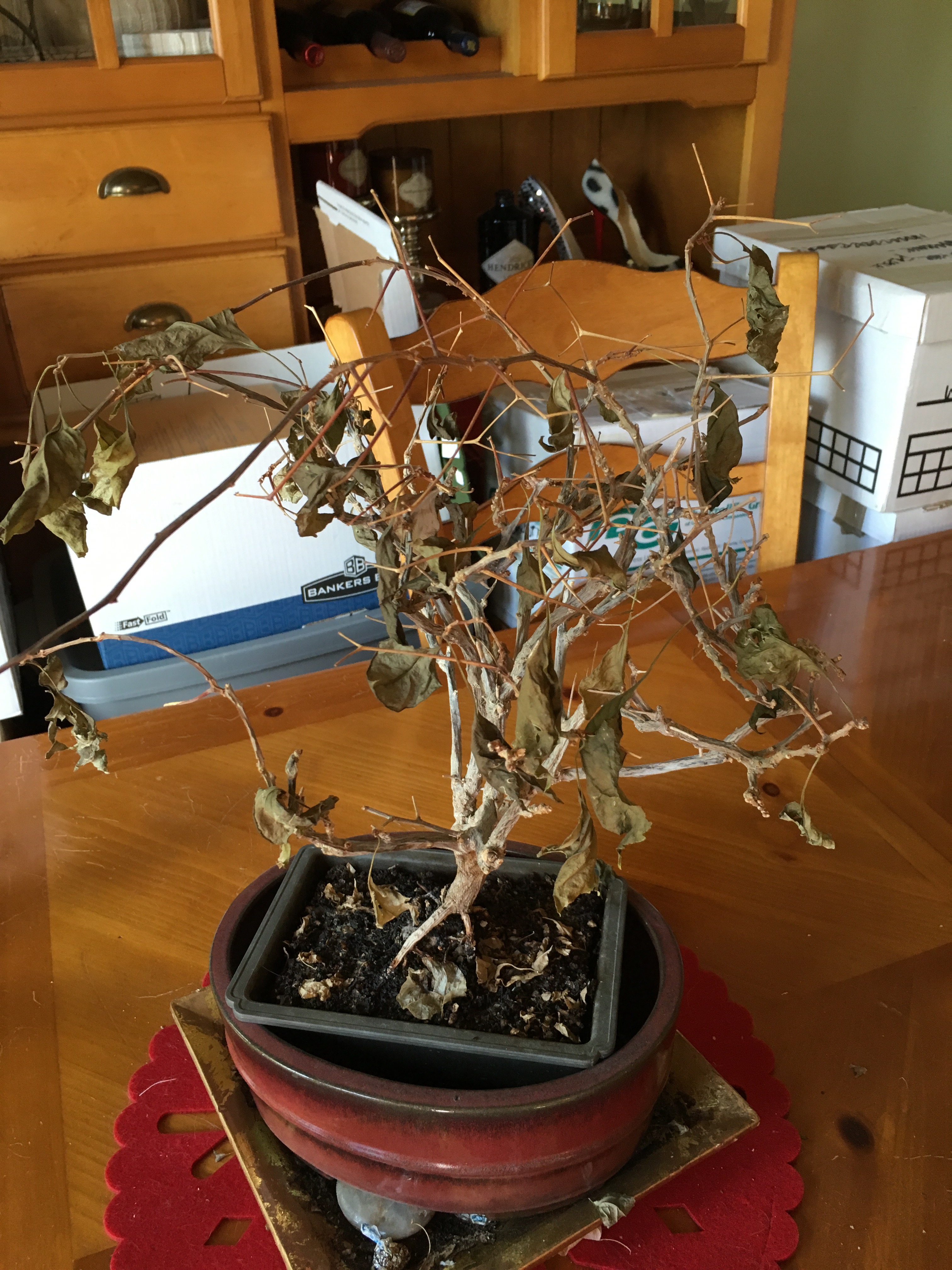
When I got home and knew my house was okay, but my beloved ten-year old bonsai tree was not…

When they got home and knew it was going to be okay…

When kind strangers mowed my jungle of a lawn…

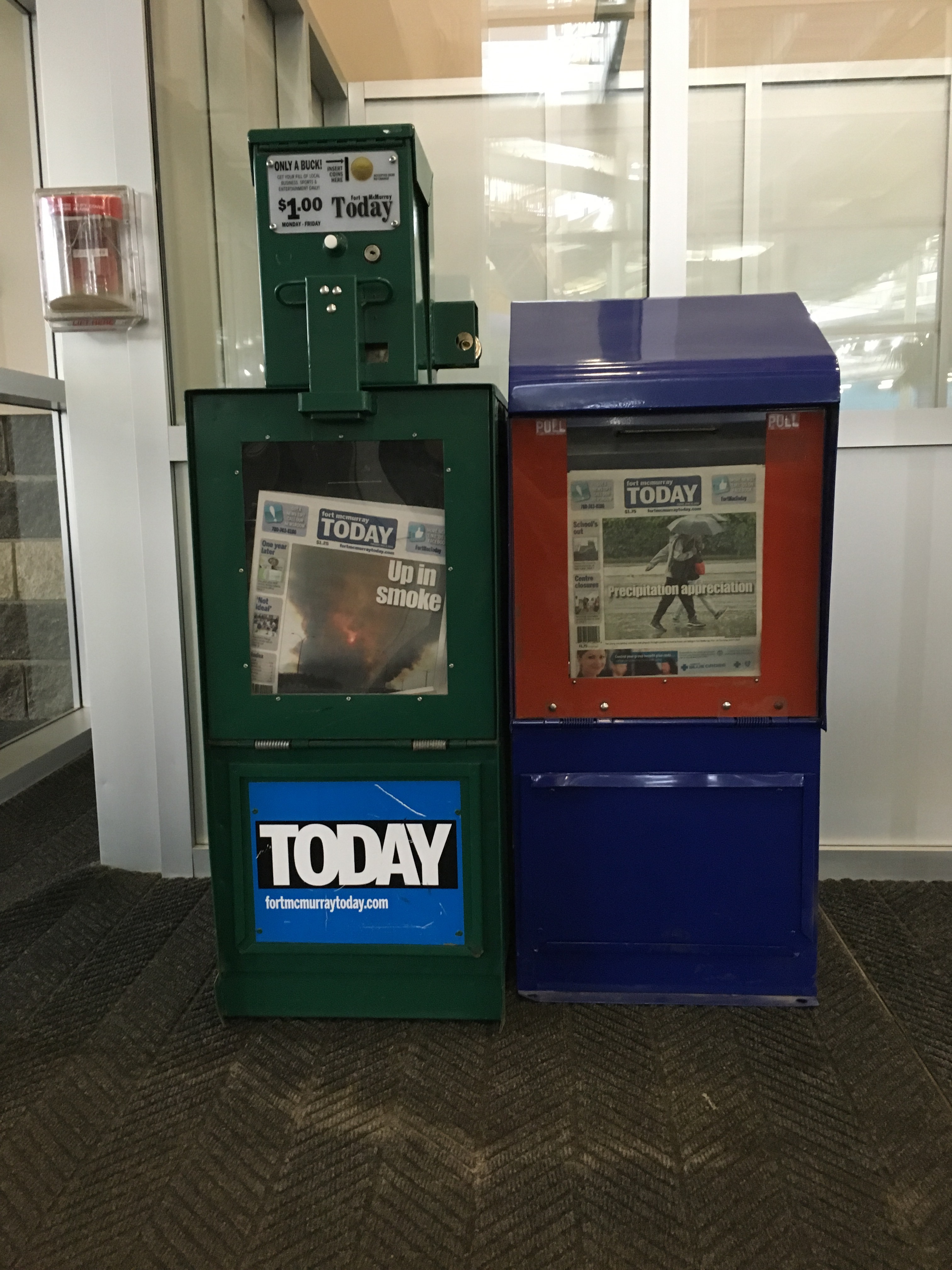
When one month after the fire in early June I found a paper box holding a paper dated May 3, 2016, with the prophetic headline “Up in smoke”…

And this little blue-haired dazzler? She is what kept me going before May 3, 2016, during that fateful day and every day since, because what I learned in the end is that what matters is family, friends, furry companions and love.

Lost Together

I will never look at photos of refugees the same way again.

I don’t mean for this to sound as if I have ever lacked compassion for those people who are displaced from their countries, as that has always been present. In the weeks since May 3rd, though, my compassion has been augmented by a new understanding of the expression you often see on the faces of refugees, regardless of their nationality, because on May 3rd I was one of 94,000 people displaced by the wildfire that ravaged Fort McMurray.

We were not called refugees, but rather evacuees as we were under a mandatory evacuation notice that saw tens of thousands of residents flee our community. And while we were not political refugees or thrown into displacement by war or civil unrest, we were most certainly displaced and we shared more with refugees than we may have ever wanted to admit.

There was that thousand-mile stare you would often see in the faces of other evacuees, the look that showed they had seen things they would never forget. There was the general sense of weariness and exhaustion that emanated from us, the rapid turnover of our emotional state, quick to weep at the slightest provocation, good or bad.

We may not have fit the classic definition of refugees as we did not need to flee our nation, but in our hearts and minds there is no doubt: we were refugees driven from our homes by a natural disaster beyond our control.

Perhaps our lack of control was the most difficult part. All of us, no matter our nationality, want the ability to control our lives and our destiny. Whether we live in affluence or poverty, the desire and need to be able to direct our own path is critical to our functioning as human beings, and when it is wrested away from us I think it leads to a distinct breakdown in our mental health.

We could not control where the fire went, or how many homes it took. We could not control how long it lasted or when (or if) we could return to our homes. We could simply sit there, in hotel rooms and campers and houses belonging to friends and families and all the other places we found ourselves and watch as our destiny played out in front of us, without any ability on our part to control it.

I cannot speak for anyone else, but for myself it may well have been the part that made me feel most like a refugee.

I used to see photos of refugees as they stared off into the distance, and I wondered what they were thinking. Now I have an uncomfortable sense that I may know too well the thoughts running through their minds, although in my case at least there was some sense that I may have a home to return to. For most refugees this is not knowledge they hold, instead knowing they can never return to the place they once called home.

But even if our experience is not the same as that of refugees, the similarity is striking. A recent conversation with a friend reminded me of how difficult it was to accept help from others during those early days of evacuation, as it was a stark reminder of how our lives had changed in such a short time. And I recalled too how after about 3 weeks I stopped telling people where I was from as I found myself unable to handle the look in their eyes and their sympathy because it was overwhelming to me.

I remembered how it felt to realize I had “no fixed address”, and how suddenly that label which I thought always applied to others now applied to me, living a nomadic life as I travelled from city to city and hotel to hotel. I recalled how I felt homeless to some degree, feeling as if I was a visitor in my own life, and how attached I became to my car and my cats as they were the only pieces of home I still had with me.

It was, if you will pardon the expression, a mind fucking experience.

No wonder we struggled so much, no wonder we were (and still are) so traumatized; it wasn’t just the sight of the flames and the fire and the fear we felt, but the sense of being lost and without roots, yanked out of our homes through no act of our own and thrust into the wind, spreading far and wide across the country.

On July 3rd I celebrated one month of being home, and two months since I left it on a day when I did not know if I would have a home to return to. I have come to realize that far from being “over” this experience I am still very much processing it, feelings that I had pushed down surfacing on a regular basis and finding myself coming to a fuller understanding with each passing day. It was on July 3 that I realized that I and tens of thousands of others had experienced a taste of life as a refugee, and that I suddenly had a new perspective.

There was perhaps one good thing about the entire experience, besides the many kindnesses shown to me by those who might not understand what I was experiencing but who empathized regardless. It was the realization that while I might be lost for a while, I was not alone. With me was almost every single person in this world I love, all the refugees and evacuees just like me from a place in northern Canada called Fort McMurray.

And in that simple realization I found the strength I needed to get through.

If we were lost, we were lost together.

Kia Kaha

It has taken me some time to write this particular post. It isn’t because I haven’t wanted to, but rather because every time I attempted to do so I would end up staring at the screen in tears as I recognized the inadequacy of words to do what I needed to do.

You see I need to say thank you.

And it’s not that saying thank you is so difficult, but that in this case the words are so very inadequate for what they need to express.

On May 3 while my city, the home of my heart, was in flames, I drove away – while others stayed behind to fight the flames. It is they that I must find the words to thank, even when words fail in this attempt.

Until May 3 I had not had much experience with fire, beyond the occasional campfire and other casual glimpses of fire from afar. On that date, though, I saw the face of the beast, and as it roared down on my town I felt the heat of it’s breath.

Today I look out my window and see green trees and a sunny blue sky. On May 3 I saw smoke and flames, and felt sheer terror as I realized the magnitude of what was bearing down on my community. As I drove away I passed dozens of first responders, and as I fled I realized that while I could leave they were going to stay.

And stay they did. They stayed even as their own homes burned down. They stayed despite their own losses and despite their own families being forced to flee without them.

While 94,000 people fled, they stayed. They stood their ground. They fought the flames the rest of us could not fight.

And it was not just the first responders, but all those who stayed behind to support them. There are far too many to list, and in naming them some would undoubtedly be missed – but the reality is that while others were driving away some were instead driving closer to the fire.

I don’t want them to think, even for a second, that what they did will be forgotten.

This week a colleague told me of his harrowing escape, including the streaks of fire shooting across the road at one point. He named the street and my heart stopped, as it is just a block away from my own.

Thisclose.

That is how close it came to being my home and my neighbourhood.

When they speak of the fight to save Thickwood it is the fight to save the place where my home is found.

Another friend showed me his charred fence, and the remnants of chunks of burned embers on the wooden deck in his backyard. The flames took the house two doors from his own, but they did not reach his, thanks only to the efforts of the ones who stayed behind to fight.

When they speak of the battle to save Wood Buffalo it is my friend’s home to which they refer.

They could not save them all, and this is perhaps the most troubling part as I know a few firefighters and I know that losing to the flames is not something that goes down easily for them. I suspect that as they fought the flames they waged their own internal wars, acknowledging with broken hearts what they could not save and moving on in the hopes of saving others.

I have always admired courage and those who display it. On occasion through this experience I have even been called courageous or resilient, but the truth is that the real courage and the real resiliency is found in those who stayed behind while people like me watched from far away.

And while the flames are now behind us, there is no doubt that the impact remains. There are still moments when I can close my eyes and see it all so clearly, and feel the terror all over again.

If it is powerful for people like me who had the luxury to flee, I cannot even imagine how it is for those who stayed behind to fight. I cannot imagine what they see when they close their eyes.

On May 3rd as I drove away I spoke to a radio station in New Zealand. They had heard about the fire, and wanted to interview someone who could speak to the experience. It was surreal to sit in my car, driving away from the city I love, speaking to an audience on the other side of the world. The folks from that radio station have stayed in touch, and as we have interacted they have shared with me a Maori phrase.

Kia kaha.

They tell me it translates fairly simply as “be strong – my thoughts are with you”. And perhaps that is what I need to say instead of thank you. Perhaps that is why thank you feels like a failure, when what I want to say is “thank you – and be strong, as my thoughts are with you, not just today but forever”.

I won’t forget the battle to save my city. I won’t forget those who fought it, and I won’t forget the face of the beast they fought. It is seared into my mind by the hot wind it carried with it.

This song and video is from a local group of musicians. If you are from our community and can watch it without tears stinging your eyes then you are a stronger person than I.

I doubt I will ever be able to watch it without tears, because it captures everything so beautifully.

To all those who stayed behind when I fled: thank you, even though though those words seem so very small in comparison to the enormity of what you did.

Thank you for your courage. Thank you for your resiliency.

Thank you for being there for our community.

Thank you for staying to fight when I had to leave.

And kia kaha.

A (Re)New(ed) Normal

I think one of the most telling moments for me since June 3rd was driving down Franklin Avenue, a drive I have taken thousands of times in the last 15 years, and spotting a truck emblazoned with a slogan that included the words “disaster recovery”. Both words, ones I never would have thought of before in connection to my community, were so very impactful and compelling as they described what happened on May 3rd, and what has been happening ever since.

The wildfire that drove tens of thousands from Fort McMurray on May 3rd was, by any measure, a disaster. While 90% of our community still stands, the 10% that was devastated consisted primarily of residential properties, with a few businesses mixed in. Entire neighbourhoods were virtually razed, and subsequent to the fire the presence of toxic residues in the ash has prevented even those with standing homes in those areas from returning there to reside.

And the truth is that if you have lived in our community for any length of time, you know someone who has been impacted in those areas.That this disaster has affected each and every one of us in some way is unquestionable, but our experiences range widely, separated only by the very thin line of where our house or business happened to be. That we have experienced a disaster is without doubt, although it is difficult to accept that your city, the home of almost every person you love on this planet, is also home to a disaster.

But while the word “disaster” caught my eye it was the word “recovery” that has started me on a thoughtful path since my return home. It is all those words beginning with “re” that we are seeing now, and all they mean is beginning to become clear.

Restoration.

Remediation.

Recovery.

Rebuild.

Of course those are the four most commonly seen and considered, but I have been thinking of some other ones, too:

Rethink.

Revision.

Reacquaint.

Review.

Reaffirm.

Relearn.

Redefine.

Reawaken.

Reflect.

And, finally…

Renew.

Someone asked me recently if life in my community – my life  – is back to normal. I responded that is not the normal I knew before May 3, but a new normal, or perhaps, more accurately, a renewed normal.

One of the first things I noted on my return to Fort McMurray was the appearance of green grass where just weeks before I had seen flames. And this grass is not just green, but a brilliant lime-green shade so vibrant it seems almost as surreal as the red-orange flames that preceded it. The grass has not just returned, but it has been renewed, coming back in the most incredibly bright and colourful way.

Crises happen in our lives. That is just a simple fact, whether they are wildfires, illnesses, accidents, deaths, divorces…they are as myriad as we are. And after every crisis there are the practical and pragmatic considerations, the rebuilding and recovery phases; and so too there are the softer considerations, the opportunities to reflect, reaffirm, rethink, revision, and, yes, renew.

Change can be very frightening – terrifying, in fact. I have been through it more than once, life altering changes where you simply don’t know if you will be the same person coming out that you went in, like you’ve entered some sort of machine created by science fiction designed to alter who you are. And, the truth is, you probably won’t be the same.

But swap out one single consonant and “change” becomes “chance”, an opportunity to redefine and reawaken. We can do this with ourselves, and with our communities. We can take the crisis that changed us and make it into one that gave us a chance to do something we otherwise may never do: experience renewal.

Ever been very ill, with a virus so nasty you simply felt like all that was healthy had been snuffed out of you? And then remember how as you got better you suddenly felt alive again, almost better than ever and like your brush with sickness had somehow reminded you of all that was good about life and everything around you? Like you had been somehow renewed by going through something painful and difficult and awful?

Yes. Renewal. A renewed normal, in fact, not like you were before, not necessarily worse or even better – just different.

The current buzzword in our community is resilience, the ability to come back quickly from adverse circumstances. Resilience, though, is not contingent on forgetting. In fact, part of what contributes to resilience is our ability to remember and recognize what we have experienced, allowing it to form our resolve to move ahead. The leaders who will emerge from this crisis will be the ones who can put aside personal, professional and political differences to remember and recognize while resolving to move into the future, unencumbered by the shackles of past conflicts. They will embrace resilience, and exemplify it.

Remember.

Recognize.

Resolve.

Resilience.

When I went through my divorce a few years ago there was one song I kept returning to. It spoke to me on so many levels, because it was about moving on. It was about learning to do all the things I did before, realizing things might have changed and I might have changed but that I was resilient because I recognized and remembered what I had been through. I was renewed.

I have been so very fortunate. I know the journey I am on is different from that of others in my community; it is however my journey all the same and the path I must travel, even though it will be different from the one others will follow.

And I know my life in Fort McMurray may not be the normal it was before May 3, but it is a new normal. A renewed normal.

And that, my friends, is okay.

In fact, it may be for me the very definition of resilience.


All In

The tears started to form well before the first tinge of smoke hit my nostrils. I was probably still 45 km outside the urban limits, but I could feel the emotions of the last month beginning to well up just as the tears were threatening to do.

After over a month as an evacuee, and after a hasty departure on May 3, 2016, on June 3, 2016, I was headed home to Fort McMurray.

It was a bright and sunny day, the highway remarkably clear except for the other few vehicles headed north just as I was. I wondered if in each of those cars and trucks was someone like me, feeling every range of emotion from excitement to fear.

As I drove the waves of the last month washed over me. To call it a journey would be to minimize what was an epic trek of gigantic proportions, through valleys as deep as the deepest ocean trench to mountains as high as Everest. It was a journey of the heart, mind and spirit as I walked through the most difficult experience of my life, passing in intensity even the deaths of both my parents and my divorce after 24 years of marriage. The four and a half hours I drove from Edmonton on June 3 was like some strange reverse trip of the one I took on May 3, when so very much was uncertain and unknown. On May 3 I did not know if I would have a home to return to. On June 3, I returned to it.

It’s hard to capture the last month. I have written about it, feeling my way through it as I experienced it, but to try to encapsulate it in any one written piece would be impossible. There were far too many emotions and far too few words that could do it any justice, and yet I kept trying, because that is what writers do. We try to capture those elusive feelings and experiences, pin them down on paper for others to see as if we are an entomologist catching butterflies. But in this instance the butterfly refused to be caught, escaping again and again and fluttering away, just out of my reach as I tried to grasp it.

On May 3 when I drove away from my home for the last 15 years I was in a state of shock, denial and pain. I could not believe what was happening to my city, and I could not stand the pain as I watched it burn. On June 3 as I drove that trip in reverse I had recovered from the shock and denial was far behind me, but the pain for what my community had gone through remained as I remembered May 3.

I have lived in many places over my life. At some point in the last fifteen years, though, I have given myself entirely to Fort McMurray. Like a poker player in a scene in a movie, I have stretched out my hands and pushed all my chips to the centre of the table and said “I am all in”.

I am completely invested, financially, emotionally, spiritually. I have bet it all on Fort McMurray, but not so much on the city as on the people who call it home and who are why I have chosen to stay here even when other options presented themselves. Fort McMurray long ago stopped being place and became my place, a fine but telling difference.

Over the last month there were dark moments. There were times when I felt grief and fear, and times when I worried for the future. But there were the moments that brought light to the darkness, and when I saw the infinite hope in our community and our nature, and the bright light always drove out the darkness.

There were moments when I thought I felt it too deeply perhaps, struggled too much, and yet I have come to understand that struggling is not my weakness; it is instead my strength. The ability to feel deeply is who I am, and it allows me to share my experience with others in the hope it may help them to understand or find their own strength. Nothing interesting is ever written about a life devoid of challenge and occasional struggles, and my willingness to expose my own may well be why I write at all.

As I drove home on June 3 I reflected over the events of the past month. I thought about all the challenges that lie ahead for all of us, each facing different ones as our experiences are all different, and about how we can support each other and help each other heal as we find our way through it and into the future.

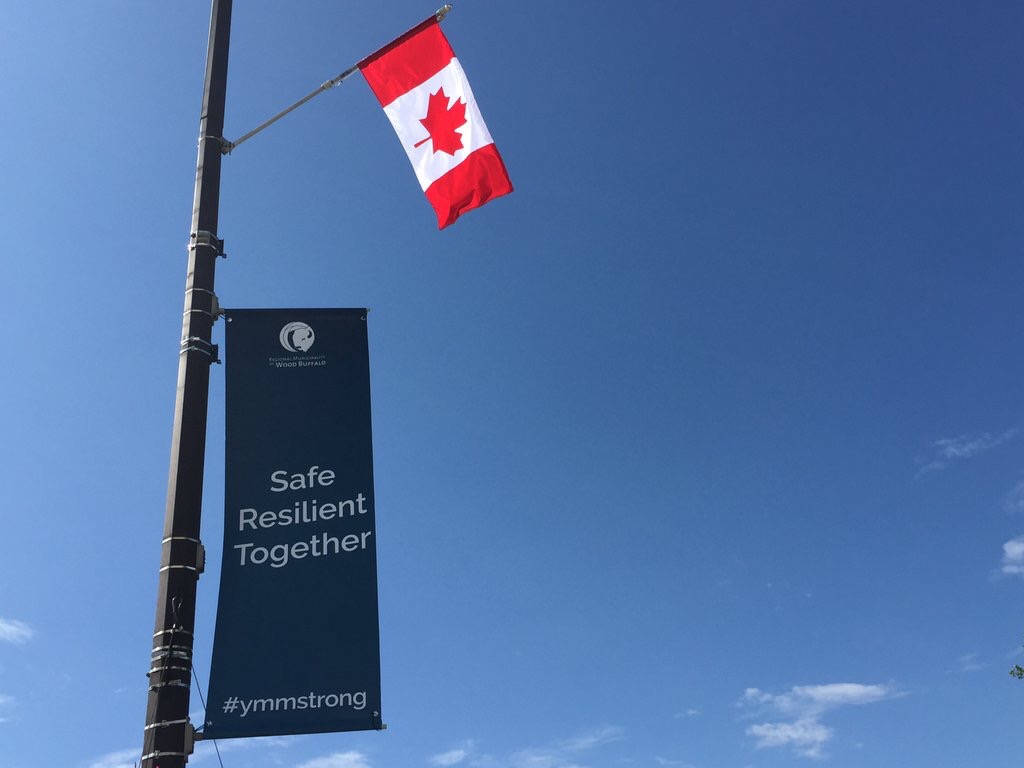
As I approached the bridge I saw them, of course. There they were, the first responders standing on the bridge flanked by two fire trucks with a Canadian flag flying. I opened my sunroof and stuck out my hand, waving to them frantically, and saw them all begin to wave back, just as frantically, a moment of connection as my car passed beneath. And yet there is a far deeper connection to them now, as those individuals and hundreds like them from across this country fought for my city when I could not, and I quietly cried as I drove underneath them, pure gratitude enveloping me.

It was hard to drive past Beacon Hill, the area where my daughter attended her first school and the neighbourhood where I know so many through those ties, not seeing the roof tops you used to glimpse from the road and now knowing they were gone, along with so many others belonging to people I hold dear. Waterways was equally difficult, seeing the destroyed homes in the neighbourhood where I know so many are so passionate about their community..

And driving past Abasand left me feeling empty, as that is where I lived for so many years. The house my ex-husband and I designed, the one we built and the one where our daughter grew up? On May 3, it burned down, the place I no longer own but that held a piece of my heart as I knew every single nook and cranny, knew how we had them put extra screws in the floorboards to reduce the creaking, knew how the window above the jet tub in the bathroom was positioned perfectly so you could watch the stars at night while you let the worries of the day float away. That house – that home – now gone. And even though my residency there ended long ago, it hurt my heart to think about it.

Driving to my own area was odd, as if one started the journey there one could almost think nothing had happened. Lush green grass and thick trees blanket Thickwood Boulevard, and as I arrived to my driveway I was struck at how it seemed time had simply stopped.

I turned my key in the lock and found my house – my home – virtually as I had left it on May 3.

Scattered on the bedroom floor were the papers I had tossed there in my haste as I searched for an important document. Flung around was clothing I had considered and rejected, and in every room there was signs of a hasty departure, including a sink filled with dishes covered with an indescribable science experiment of sorts.

There were small wins – the fridge and freezer were fine, only losing power for an hour or so, and the load forgotten in the washing machine had dried instead of going to mold. There were small losses, a thick smell of smoke in my basement, particularly bad in a couple of rooms. But overall, in every way, my house was much as I left it…with the exception of one large sooty handprint on the railing to my basement, undoubtedly left there by someone who came to rescue my ferrets and my hedgehog.

And yes, they were rescued, the caged critters I was forced to leave behind on May 3. They were plucked out and brought to Edmonton, where I reunited with them over the last month as they left the kind foster care of others who offered to take them in until I could come home. My gratitude for that knows no bounds.

There was a degree of the surreal to it all. How could my little house seem almost the very same as when I left it when I had been through so much over the past month? How had it not changed when I had changed? When so much had changed for all of us?

There are experiences in this life we cannot explain. All we can do is feel them, find our way through them, struggle if we need to and experience all the emotions they bring. The deaths of my parents was one of those, as was my divorce – and as is the Fort McMurray Wildfire, a life altering experience that needed to be felt, not explained.

In the days since I have arrived home I have watched as my city begins to come to life. I was there when my neighbours began to arrive, with hugs and welcomes and true excitement to see them come back. I have been there as our streets begin to fill and as stores begin to open. I have gone from the first very quiet night on my street to one where last night I could hear laughter through my open window, no smell of smoke in the air and only the scent of the lilacs in my neighbour’s yard filling my room.

I don’t believe that things happen for a reason. I believe that things just happen, and we try to find reason in them even when there is none. I do believe that when things happen, though, we can determine how we respond even if we cannot control what happened. None of us could control the fire that raged through our community, but what we do next? That we can control. And I know what I am doing.

I am pushing all those poker chips back into the centre of the table. What the fire reminded me is that every single thing in this community is worth fighting for, whether it is with fire hoses or with our hearts. Every single person in this city contributes to making it what it is, and every single one is needed as we move into the future. We are fortunate that the majority of our city survived the flames, and from that point of strength we will rebuild to ensure that every single person who calls this home can return here to be part of that future.

And that future? It is likely different than the one we envisioned on May 3, 2016 – and that’s okay. Part of life is allowing our experiences to change us, and to change our future; but we can control how it changes us, and how it changes that future. And it is up to each and every one of us.

On May 3, 2016, I awoke to a bright and sunny day.

On May 4, 2016, I awoke to my life forever altered by a force of nature beyond my control.

And on June 4, 2016, I awoke in my bed in Fort McMurray, drew back the curtains and saw the sun shining down on another bright and beautiful day in my community.

I was home.

And I was, as I always have been, all in.

I’m Coming Home

28 days. 4 weeks. 1 month.

And tomorrow, the exodus reverses, and some of the 94,000 residents who fled in the face of approaching flames begin the long journey north – and home.

In terms of distance, it isn’t actually that long for me, as I have been hovering in the area for this entire time, never far away enough to be more than a few hours from the Fort McMurray city limits. It was almost like I was on a leash, stretched as far as I could go but no further, tied to my community by the kinds of invisible bonds that are far stronger than any fire. Flame proof, perhaps.

In terms of emotions and my heart, the distance is immense, and the journey home that I will embark on this week is one fraught with perils. I swing between joy at returning to my home and sorrow over the many who cannot. I look at the aerial photos of my little house, still standing there and looking just as I left it (including those damn tires I meant to take to the dump weeks ago, taunting me in their clarity in the pictures as a reminder of my procrastination) and then I look at photos of a friend’s house left in rubble.

I don’t know if there is an emotion I have not experienced over the last 28 days.

Anger, happiness, sadness, confusion…they have all melted together in some sort of goo, an endless pit of emotion I wish I could cap with the kind of plastic substance they are now spraying on the burned buildings, keeping the ashes from becoming airborne in the same way my emotions threaten to do.

It has been overwhelming. Exhausting. And a trial by fire for all of us.

When I drove away from my community – the home of my heart – 28 days ago I could not have imagined where this journey would take me. That exodus now reminds me of the scene from The Ten Commandments – you know, the one where they are fleeing the Egyptians with all manner of children and oxcarts and horses and goats? It was the moment when I saw the photo of someone escaping with a lamb in their back seat that clinched it. The Red Sea that parted for us wasn’t one made of water, but rather of flames, and now, with the flames past us, we begin to turn ourselves north.

Well, some of us do. There are some who will choose to not to re-enter our community at this time, given that this is voluntary and many challenges remain: a boil water advisory, limited services and other unusual circumstances. Each decision is as individual and unique as we are, and each and every one as deserving of respect.

And some cannot go home, learning this week that their neighbourhoods have been deemed too dangerous for them to return at this time.

Oh, how my heart hurts.

How can one be happy when others are in pain?

But I know I am being pulled north, this leash around me tightening as my day to re-enter my community draws ever nearer. I cannot stand to be away one more moment than necessary, dutifully following the guidelines laid out for an orderly repopulation of my community and yet tempted to flout the rules and return the very instant I can.

But I will wait. On Friday morning I will load up three cats, two ferrets and one hedgehog, the latter three rescued by the kindness of others, and we will point ourselves north. I don’t know what we will find when we turn the key on the place where we all live together, my crazy little menagerie and I (missing the dog who is on vacation until a later date, which will delight the cats when they realize they are home and she is not). I know that I will find my community still there, a bit battered, a bit bruised, a bit frayed at the edges and torn at the seams and weary and tired…and home.

I learned so much over the last 28 days. I suspect most of us did, the 94,000 who were part of that crazy exodus one month ago. Most of all I learned exactly how much I love the people in my life and my community. It is far deeper than even I knew, but I know it now.

There remain many unknowns. How we will rebuild (and rebuild we will, just watch us!), and how we will take this experience and let it rebuild us into better people and a stronger community. But for all the unknowns and all the questions, I know one thing very well:

I’m coming home.

End Stages

They say there are five stages of grief. Having gone through grief I’m not entirely sure I agree, as “stages” make it sound like there is some pattern to it that is true for everyone, and yet I think it is as unique as each of us. And yet there seems to be some kernel of truth to it too, as anyone witnessing the last month and the displaced residents of Fort McMurray can likely attest.

I know I have gone through some fairly distinctive stages, although there has been some overlap, too.

Denial would be when I refused to believe my own eyes. Hey, those weren’t flames across the Snye. Naw, that was an optical illusion. And hey, those billowing clouds of black smoke didn’t signify things had gone horribly wrong. No way. My city couldn’t burn, right?

Um, wrong. So very, very wrong. I was in denial until I saw the pleas from friends trapped in gridlock trying to escape the fire and watching houses burn down beside them. And then, when I watched a tree explode – not catch fire, but literally explode in a way I had no idea trees could explode – denial was over.

Shock hit me as I was in my trusty SUV, loaded with cats and a dog and litter boxes and enough clothing for a couple of nights (see? Denial helped me pack, too). Watching things burn beside me and in front of me, shock sat in the passenger seat as I drove. Shock was likely in my voice as I did an interview with a radio station in New Zealand as I drove south, agreeing to it really because I needed to hear human voices to keep moving forward.

Shock lasted for a few days. It was there in the hotel room, and with me in the lobby when I appeared there, disheveled and in my pyjamas, at 3 in the afternoon on the second day after the evacuation. I needed a new room key. I needed something from their little concession. I needed shock to fuck off, because it had pulled me to a standstill.

Shock finally left when I reunited with my daughter in Calgary and we spent the weekend together. Slowly, she healed me, her voice and her laugh and her love and her encouragement to buy pretty shoes pulling me out of my tail spin. She helped me move into the next phase: acceptance.

I had no control. Now this was almost worse than shock. I like being in charge of my life, probably too much so. But the fire had wrestled that away. I couldn’t go home, even when that was the only thing I wanted. Whether my house was ok was out of my hands. In fact the only thing I could control was me – and so, cautiously at first, I began to take little steps towards that goal. Making plans but understanding they may need to change. Accepting that I could only control limited aspects of this experience – and allowing myself to simply feel the ones I couldn’t.

There was a very brief bout of anger, too. Fuck you, wildfire. Who do you think you are, destroying the homes of people I love? Fuck you, national magazine. Remember all the shitty stories you published about my home town and all the times you rejected my offers of a viewpoint from a local? Fuck you and your glossy coverage of our tragedy, like you actually give a damn when all we are to you is the latest sob story you use to sell your crappy magazine.

The anger burned out quicker than the wildfire, though. It was pointless. Sound and fury signifying nothing, it was snuffed out almost as quickly as it was lit. My anger would change nothing, and it burned no one but me.

And, finally, optimism. Real optimism, the kind that wells up from within. Not the kind of bravado you put on for others, but the one you feel right in your chest, squeezing you so tight it hurts a bit. And with it came laughter, like the moment when I realized the already iffy bag of potatoes in my cupboard was likely to have grown legs and meet me at the front door by the time I came home, strutting it’s bad potato stuff around my house. Like when I began to rue the vow I made May 2 to clean the already over-ripe litter boxes and animal cages on May 3. On the upside the evacuation meant I didn’t have to spend that Tuesday night cleaning cat poo, but then again the prospect of month old cat poo was even scarier.

And as I moved through the stages I learned so much about myself. I am, in many ways, a bit reserved. It’s very likely I open myself up far more through my written work than I ever do in person, finding that intimate vulnerability very difficult. I don’t know my neighbours all that well, and while I have friends and a busy life I spend most of my time alone, by choice. At least, that was my choice.

Things have changed.

I have changed.

Nobody can live through this experience and remain the same. At least that’s what I believe, but again I think we can control how it changes us. When I go home I intend to meet my neighbours. The ones with the baby? I think I’ll offer to babysit. After all, I’ve raised a child and she turned out pretty okay, so I think I can be trusted with one for an hour or two. The young ones next door? Those late parties won’t bother me anymore. I’m glad they are enjoying being young. The sound of their laughter will be something I welcome, even at 3am.

And then there’s the dog across the street. A little black and white scruffy thing, some mix of Chihuahua and terrier and God-knows-what-else. Well, little Taco has been known to stand right in front of my car when I drive down the street and bark, while I roll down my window and shout “Taco, get out of the road!”.

But you see in the cup holder of my SUV is a dog treat. I got it during the shock phase when I went through a Starbucks drive through and they gave me two treats. I gave one to my dog, but I told her that the other is for Taco.

So when I drive up next time and Taco is standing in the street I am going to stop my car (and I’m very sorry if you are behind me, but you’ll just have to wait), and I’m going to ruffle his fur, and I’m going to give Taco a dog cookie. And then I’ll guide him onto his lawn to eat it so I can go home.

Yes, home. Home for me and for Taco and for my neighbours with the baby and for my rather boisterous young neighbours and my entire neighbourhood and my city. Beginning next week, we will start going home, none of us knowing exactly what we will find but I know one thing everyone who encounters me will find.

Open arms. A hug that comes from a lifetime of experience that was compressed into one terrible, horrible, incredible, amazing and life-altering month. And maybe that’s the final stage for me; the point where I embrace the changes and decide to allow them to guide me for the rest of my life. To become the kind of person who goes out of her way to meet her neighbours, who organizes block parties, who lives life with genuine passion and love and honesty and vulnerability and truth. Very simply, to be a better person returning home than when I left it that terrible night, and to never forget what I have learned.

A.A. Milne, creator of Winnie the Pooh and his gang, may have expressed it best. Piglet says to Pooh: “Promise me you’ll always remember: You’re braver than you believe, and stronger than you seem, and smarter than you think.”

And so we are. So we ALL are, Fort McMurray. I promise I’ll always remember.

Ashes, Ashes, We All Fall Down

Three weeks.

It’s astonishing that it’s only been 21 days – a mere 3 weeks – since over 90,000 people fled the raging wildfire now often referred to as “The Beast”. Somehow time has lost all relevance as lives were dumped upside down and as ashes replaced trees and homes. And yet every Tuesday I somehow remember the day and pause to reflect on the days that have passed since we were driven from our homes.

I refuse to call the wildfire by a name, incidentally. For whatever reason I feel it should be better left as it-who-shall-not-be-named, a malovolent force not deserving a nickname or moniker. It is, to me, just the fire.

And yet it is not “just” anything. It has altered the course of lives for tens of thousands, and it has written a new chapter in the history of our country. It has tested the strength and resiliency of every single person it has touched.

Ring a ring of rosies

A pocket full of posies

Ashes ashes

We all fall down.

That childhood rhyme, sung during games and playtime, is said to have its origins in the time of the Black Death, the great plague that swept Europe and killed millions indiscriminately. This past week the final two lines have played in my head as I began to see the long term effects this traumatic fire has had on those it touched with its flames.

Have you had your falling down moment yet?

The one where you felt the wind knocked out of you, where you could feel the world falling away and where you felt reduced to ashes, just like so many of the beautiful trees that surrounded our community?

I have. 

More than once.

Seeing the photos of the homes of friends, reduced to rubble.

The person in the shop who meant well, but who didn’t seem to understand that asking if my house burned down was a perilous road to travel, whether or not the answer was no or yes.

Seeing the photos of fire fighters who fought so valiantly to save our community, and knowing they risked their lives – and some lost their homes – saving ours.

The phone call from a friend telling me of the tragic accident during the evacuation that stole the lives of two young adults. I had recently met the parents of one.

We all fall down.

I have cried more in the last three weeks than perhaps in my entire life. I have cried until I could not produce another tear, my body simply saying “we have no more water to give to this pursuit”. 

I have, like tens of thousands of others, been glued to social media – and yet I have not turned on the tv once. I could not see my community – my home – reduced to a one-minute news story, when to me, right now, it’s the only story.

It’s the story of every beat of my heart. It’s as all consuming as the fire itself, burning up those weeks and days until it runs out of fuel and has nothing left to burn. And I know it’s approaching that point, when the fire snuffs itself out, as I’ve moved into the next phase.

Getting ready to return.

Cases of water. A new cooler. Supplies of food. Batteries. A flashlight.

And a steely determination to rebuild my community.

We all fall down. 

And then we get up.

Ashes. Ashes will be everywhere, I expect that. We will sweep them up, hose them down, truck them away for disposal. 

We will mourn our losses, feel the sting of homes lost and memories forever altered. We will celebrate our heroes, far too many to name without missing some but each and every one in our hearts forever. 

We will clean up the ashes. And then we will move on.

Those who survived the Black Death went on to rebuild their lives and their communities. There are historians who believe the Black Death gave rise to the Renaissance, a period of rebirth and enlightenment. From the ashes came new life, just as we will see when the first green shoots appear in the middle of blackened fields. 

We have lost so much. But we have been tested and we have found something, too. We have found our courage and our strength.

Life has meaning because of contrast. We only know the light because we have seen the dark. We treasure good because we have seen evil. 

We know we can stand up again because we have fallen down. 

Ashes, ashes

In a few more days we will return to Fort McMurray, and sweep away the ashes. When we fall down, we will lift each other up. We will stand.

United. Undivided. Resolute. Determined.

Because there are things flames can burn, but there are things they cannot touch. And in the last three weeks, we found those things as they rose from the ashes to stand again. Just as we have.

Three weeks ago I wrote that Fort McMurray is the Phoenix. I was wrong. Fort McMurray isn’t the Phoenix.

We are. And we are rising.